
Problem Solved
Cases in this category focus on how CI has been used to accelerate problem solving in a specific domain.
CI How-to
Cases in this category highlight one specific design decision.
Task Performed
Cases in this category focus on a specific type of task 'the crowd' performs.
Kind of Collaboration
Cases in this category illustrate a specific kind of group work -- crowdsourcing, collaboration or co-design.
Level of Institutionalization
Cases in this category illustrate a specific level or type of institutionalization -- low to high and 'viral' (achieved success at scale).
Project website
Name: Smarter Crowdsourcing for Zika
Topic: Public Health
Location: Virtual
Implementation Level: Nationalcity
Owner: Inter-American Development Bank, The Governance Lab, Governments of Panama, Colombia, Argentina, Rio de Janeiro
Years in operation: 2016
Platforms: Zoom
Contact Information: Anirudh Dinesh, Fellow, The GovLab
Contact Email:
CASE STUDY LAST UPDATED: October 2020
Problems such as Mosquito-Borne Diseases (MBDs) require innovative actions. To foster transformation in how governments address health and social issues, the Governance Lab based at New York University (The GovLab) in collaboration with government partners and with the support of the Inter-American Development Bank (IADB) launched “Smarter Crowdsourcing for Zika” in 2016. Smarter Crowdsourcing is a method for tapping the knowledge of worldwide experts to find implementable and innovative solutions to public problems. Typically, policymakers everywhere are facing a crisis of agility - namely the ability to identify, implement and test innovations in response to new challenges quickly. The Zika crisis created the momentum and the motive to do things differently. The five-step Smarter Crowdsourcing method combines the agility and diversity of crowdsourcing (also called open innovation) with curation to target those with relevant know-how and bring them together in a format designed to produce effective and implementable outcomes.
Background
The IADB and The GovLab partnered with the governments of Panama, Colombia, Argentina, and the City of Rio de Janeiro to host a series of online conferences to tap the collective intelligence of local and global experts with relevant skills, experience, and background to come up with innovative and implementable ideas to fight Zika. Instead of organizing a multi-day conference in one physical location which would require participants to arrange for travel and accommodations, and require organizers to secure a venue—all at great expense—these conferences were held online. This reduced overhead, encouraged greater, more diverse and egalitarian participation while reducing climate footprint.
To avoid thinking too big, The GovLab broke down the challenge of mosquito-borne diseases into sixteen smaller, clearer, better defined and more solvable problems.
It partnered with the city government of Rio de Janeiro in Brazil and the national governments of Argentina, Colombia, and Panama to find solutions. Partner governments selected six of the 16 to address: Assessing Public Awareness; Communication and Behavior Change; Predictive Analytics; Trash and Standing Water; Information Collection/Data Governance; and Long-term Care.
For instance, The GovLab started from the intractable issue of Zika to articulate the relatively simple question of how to improve the collection of trash in a given city. At the base of the Zika problem – among other things – a failure to pick up garbage led to an accumulation of standing water and mosquito breeding. Once The GovLab was able to articulate more manageable problems, it could then crowdsource help from global experts to devise solutions such as developing adaptive vehicles for improved pickup, using drones to conduct trash surveillance and working with companies to change popular packaging to reduce the incidence of water accumulation.
The result?
The Smarter Crowdsourcing for Zika project brought together a hundred participants in various fields of expertise from six continents to brainstorm the best ideas to combat the Zika virus. These conferences resulted in a total of 20 recommendations grouped under the six problem areas. The Smarter Crowdsourcing team subsequently conducted further research into these 20 recommendations—including identifying costs and benefits, determining the necessary steps and timetables for implementation, and identifying key strategic decisions—with the assurance that the participating governments would prioritize the recommendations they were most interested in pursuing. With this in mind, the endeavor culminated in an Implementation Report designed to enable public authorities to translate these recommendations into practical, implementable improvements in the way they deliver public health policies and services.1
How Did It Work?
Between August and October 2016, The GovLab organized six online dialogues over two months in response to each problem - attracting more than 100 global experts, who deliberated online to deepen understanding of the problems and their root causes and to identify solutions. The conferences each lasted two hours and were focused on a particular aspect of the Zika crisis.
These six topics were:
After the conclusion of these conferences, participating governments chose those ideas they were most interested in pursuing.
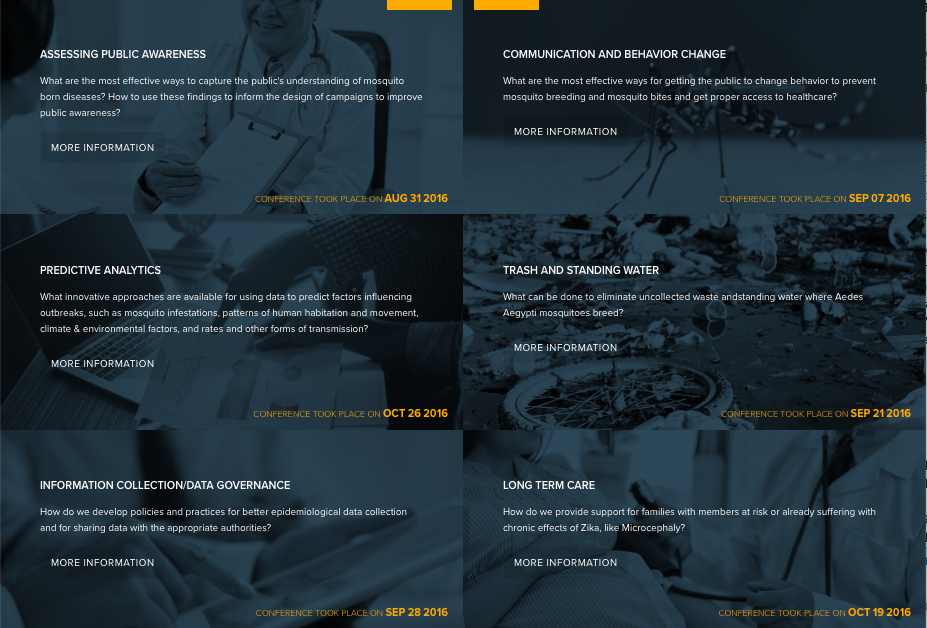
Figure 1: Topics for the six online conferences which were organized by The GovLab (Source: zika.smartercrowdsourcing.org)
The Smarter Crowdsourcing team subsequently conducted further interviews and research into these ideas, identifying their costs and benefits, the steps required for implementation, and the key strategic decisions that governments would need to make along the way. The team’s findings were then combined into an Implementation Report comprising twenty initiatives selected for their importance and potential impact as well as their suitability for immediate implementation. This Implementation Report was designed to enable public authorities to translate these new ideas into practical improvements in the way they deliver policies and services.
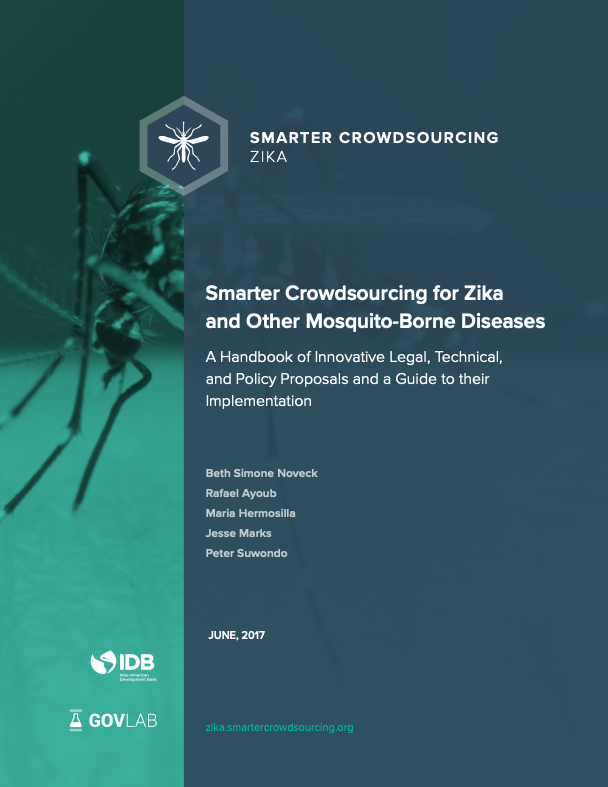
Figure 2: The Smarter Crowdsourcing Zika Report (Source: zika.smartercrowdsourcing.org)
The Smarter Crowdsourcing method comprises five, clearly defined steps. These helped to ensure that the expertise solicited was relevant and useful:
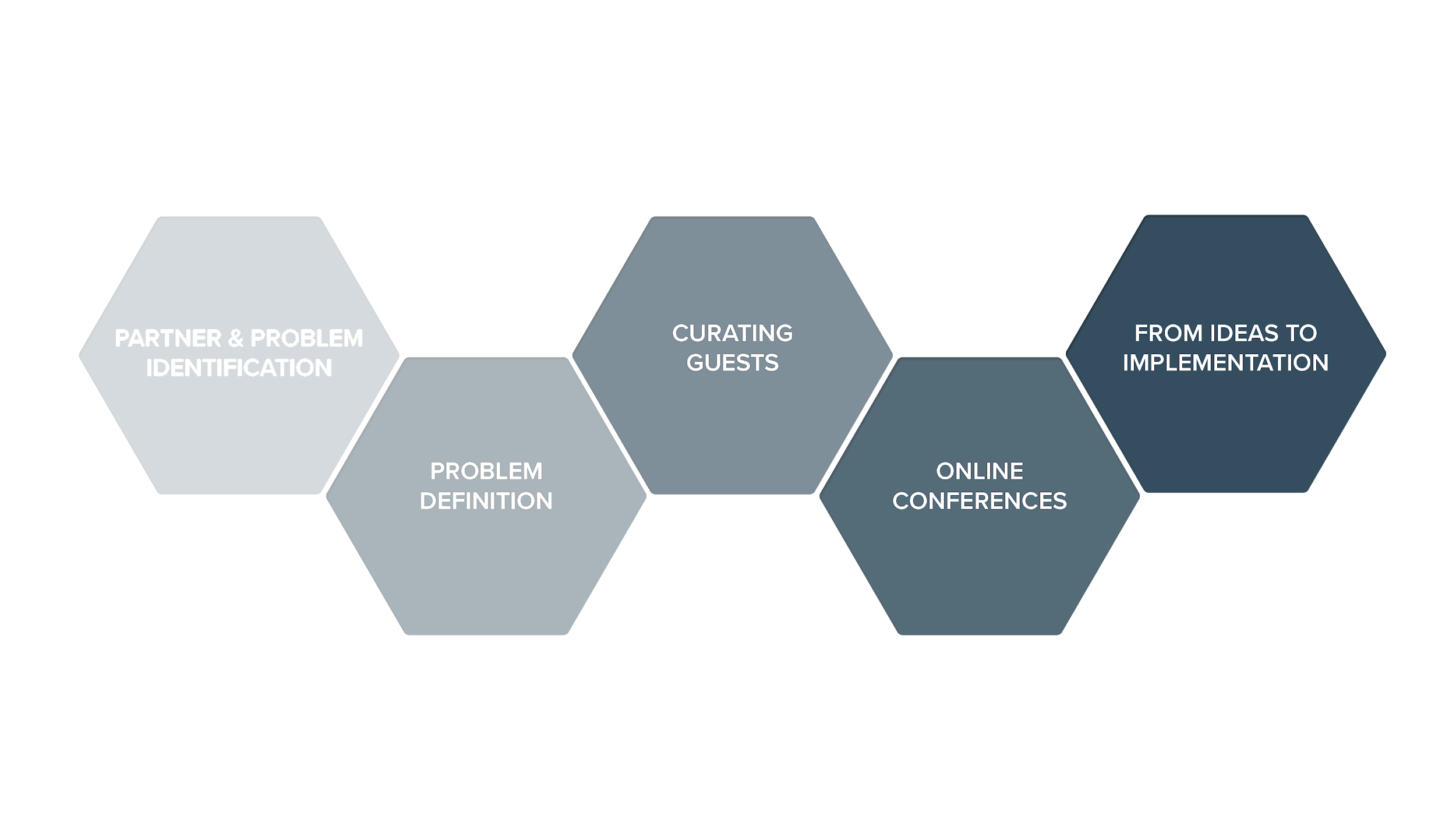
Figure 3: The Smarter Crowdsourcing methodology (Source: smartercrowdsourcing.org)
Why It Worked
Smarter Crowdsourcing was successful at attracting useful ideas from leading global experts in a timely fashion because:
